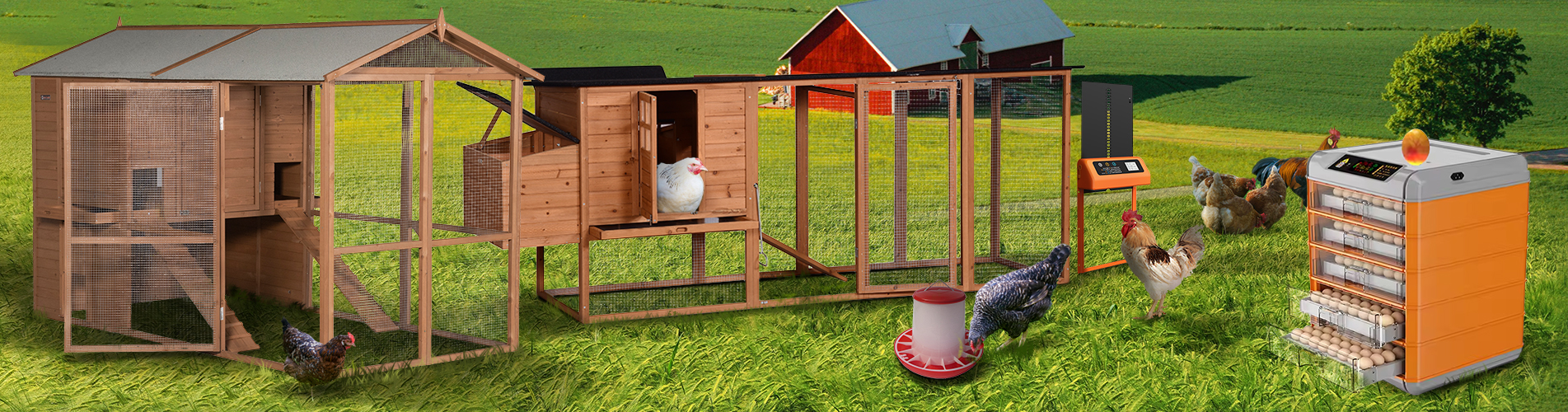
A chicken coop may have a waterproof roof and weather-resistant wooden panels, yet the ground underneath and around it can still become muddy after heavy rain. Water pooling near the entrance, wet bedding, muddy runs, and persistent dampness are common problems for backyard chicken keepers.
These problems are not simply a matter of appearance. Prolonged moisture can damage wooden components, create unpleasant odors, encourage bacterial and fungal growth, and increase the risk of foot problems in chickens. The solution involves more than adding fresh bedding. Proper site selection, ground preparation, drainage, and routine maintenance must work together.
This guide explains how to keep a chicken coop and its surrounding run dry, including practical drainage methods, suitable ground materials, and common mistakes to avoid.
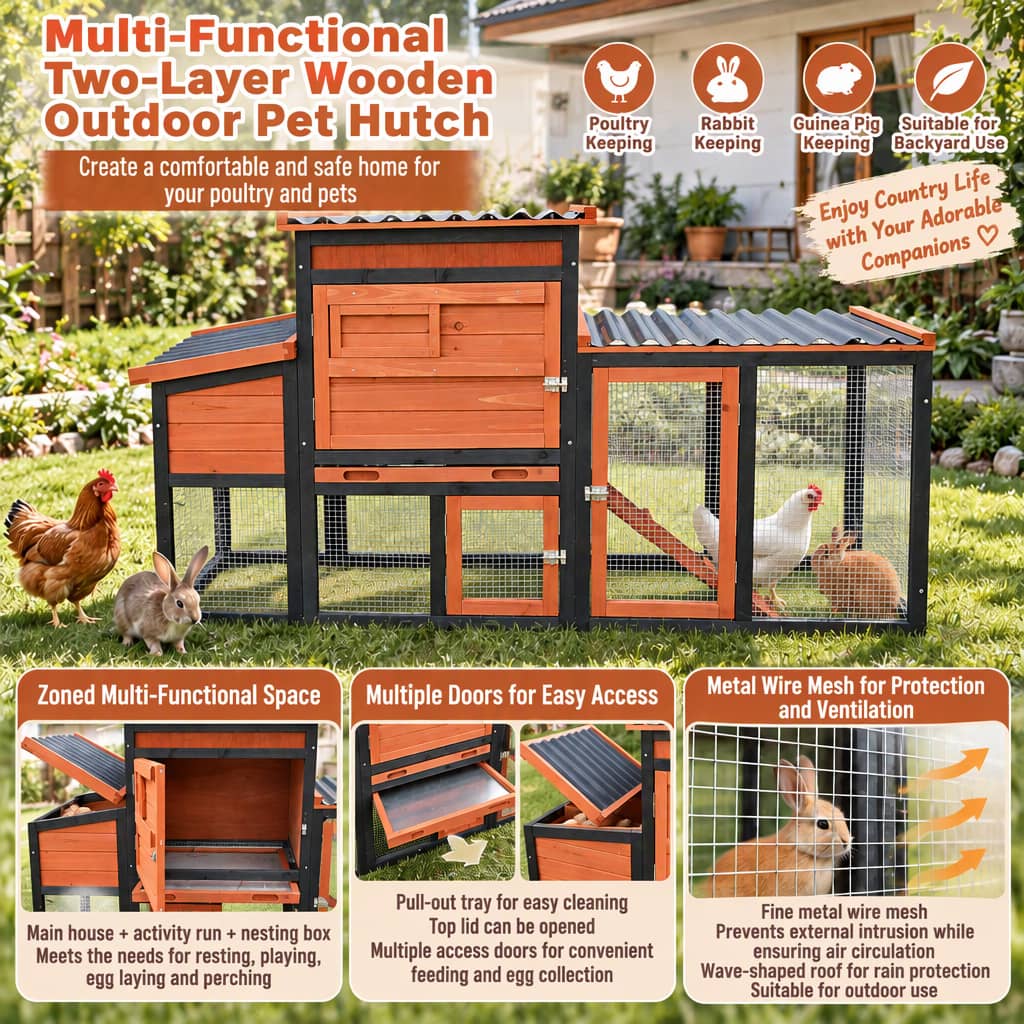
The most effective approach is to prevent water from accumulating before it reaches the coop. Choose naturally elevated ground, create a gentle slope away from the structure, direct roof runoff away from the foundation, and use suitable drainage materials in frequently wet areas.
For the outdoor run, coarse gravel, well-draining sand, or suitable vegetation can help manage surface moisture. Inside the coop, maintain clean, absorbent bedding and adequate ventilation.
A practical starting checklist includes:
Before choosing a drainage solution, identify where the water comes from. Different moisture sources require different treatments.
Low-lying areas collect surface runoff, particularly after several hours of rainfall. Clay-heavy soil can make the situation worse because water moves through it relatively slowly.
When the ground remains saturated, water can accumulate beneath the coop, weaken the supporting soil, and increase moisture exposure around wooden components.
A waterproof roof protects the interior, but it does not automatically protect the ground below its edges. Without gutters or a suitable discharge area, rainwater can repeatedly fall along the same perimeter.
Over time, this concentrated runoff can create muddy strips around the coop and wash away the soil supporting its base.
Drinkers are another common source of wet ground. Chickens frequently splash water while drinking, and poorly positioned containers can create permanently damp patches.
Move drinkers away from the main entrance, improve their stability, and check for leaking connections or damaged containers.
Site selection is one of the most effective ways to reduce future drainage problems. Moving an installed coop or rebuilding its surrounding ground can be considerably more difficult than preparing the site correctly from the beginning.
Whenever possible, choose a relatively high, level area that does not collect water from nearby slopes, roofs, or garden paths.
Avoid installing the coop at the bottom of a garden slope or next to a drainage channel. Even a well-designed wooden structure may experience moisture problems if the surrounding ground remains saturated.
The ground should direct rainwater away from the coop rather than toward it. The University of Georgia Extension discusses a recommended ground slope of approximately 1:12 away from poultry house walls as part of foundation drainage and erosion prevention.
This is equivalent to approximately 8.3% or 1 inch of vertical drop for every 12 inches of horizontal distance. For a small backyard installation, the actual grading should be adapted to the site, soil conditions, and local drainage requirements.
Do not create a steep slope immediately beside the entrance. Water should move away without washing out the soil or making access difficult.
The right surface depends on rainfall, soil type, flock activity, and maintenance requirements. No single material works equally well in every backyard.
| Ground Material | Drainage Performance | Advantages | Limitations |
|---|---|---|---|
| Coarse Gravel | Good when properly installed | Allows water to pass through; useful for wet pathways | Can become dirty or displaced; unsuitable sharp stones should be avoided |
| Washed Sand | Good on a suitable base | Easy to rake and maintain | Can retain moisture over poorly drained soil |
| Grass | Variable | Natural foraging surface and comfortable underfoot | Can disappear under repeated scratching and heavy traffic |
| Wood Chips | Moderate, depending on the base | Provides a softer walking surface | Organic material decomposes and needs replacement |
| Bare Soil | Depends heavily on soil composition | Low initial installation cost | Easily becomes muddy and compacted |
For a frequently wet run, a properly prepared gravel base can be more reliable than simply spreading a thin layer of sand over muddy soil. The base must allow water to escape rather than trap it underneath.
For a small run with recurring drainage problems, a possible construction approach is:
The depth and aggregate size should be selected according to soil conditions, expected rainfall, and the drainage outlet. A geotextile layer is not a substitute for drainage, and the design should not direct contaminated runoff into neighboring properties or natural water sources.
Ground preparation is important, but the design of the coop itself also matters. A structure that keeps its main living area above ground reduces direct exposure to surface moisture.
An elevated design creates a separation between the wooden floor and wet soil. It can also improve airflow beneath the structure and make routine inspection easier.
For example, an elevated wooden chicken coop design is worth considering for backyards where ground moisture is a recurring concern.
The Shaw Ye CC102 model provides a practical example:
| Model | CC102 |
| Material | Chinese fir wood |
| Dimensions | 190 × 130 × 180 cm |
| Listed Capacity | 20–25 chickens |
| Roof | Green asphalt gabled roof |
| Design Features | Elevated interior, wooden ramp, integrated run, side nesting box and pull-out tray |
The raised interior helps reduce direct exposure to ground moisture, while the sloped roof directs rainwater away from the upper structure. However, the ground beneath the run still needs proper drainage.
Even when the surrounding ground drains well, repeated roof runoff can create localized wet areas. A few simple design and maintenance measures can reduce this risk.
A sloped roof helps rainwater flow away instead of accumulating on a flat surface. Roof overhangs can also reduce direct rainfall exposure on exterior walls and joints.
For example, the CC434 model uses a waterproof asphalt roof and Chinese fir wood construction. Its listed dimensions are 198 × 75 × 103 cm, with a stated capacity of 4–8 chickens.
Its roof design illustrates how weather protection can be incorporated into a compact backyard coop. Buyers looking for a waterproof asphalt roof chicken coop can review the product specifications before selecting a suitable installation site.
Where practical, install gutters and downspouts to collect roof runoff. Direct the discharge toward a suitable drainage area, rainwater collection system, or properly designed outlet.
Avoid allowing downspouts to discharge immediately beside the coop's wooden base. Also inspect roof edges, joints, and fasteners for damage after storms.
Outdoor drainage and indoor moisture management are connected, but they are not the same issue. Even a coop installed on dry ground can develop damp litter because of drinker spills, leaking roofs, condensation, or insufficient ventilation.
The MSD Veterinary Manual identifies approximately 20–25% litter moisture as an ideal range for poultry housing. A practical hand test is to squeeze a handful of litter: it should briefly hold together and then crumble rather than remain sticky or release water.
Useful maintenance practices include:
Mississippi State University Extension notes that litter moisture is influenced by several factors, including ventilation, drinker management, bedding material, and manure accumulation. This means that replacing bedding alone will not solve a persistent moisture problem.
Preventive maintenance is usually easier than repairing a structure after repeated exposure to standing water. A simple inspection schedule can help identify small problems early.
| Frequency | Inspection Task | What to Look For |
|---|---|---|
| Daily | Check bedding and drinkers | Wet patches, spills, unusual odors |
| Weekly | Inspect the run surface | Mud accumulation, compacted soil, blocked drainage |
| Monthly | Inspect the structure | Loose roof edges, damaged joints, damp wooden sections |
| After Heavy Rain | Check surrounding ground | Standing water, erosion, water entering the run |
| Seasonally | Review drainage arrangements | Gutter blockages, vegetation growth, surface deterioration |
For larger flocks, a large chicken coop with raised base can also help separate the main shelter from ground-level moisture. Always match the structure's actual dimensions and listed capacity to the number and size of birds being housed.
Coarse, rounded gravel is a practical choice for frequently wet areas when installed over a properly prepared drainage base. Washed sand can also work in suitable locations. The best option depends on the soil, rainfall, and how heavily the chickens use the run.
Concrete can provide a durable, easy-to-clean floor for permanent coops, but it requires proper drainage and suitable bedding. It is not necessary for every backyard installation. Raised wooden structures may be more practical where portability and separation from ground moisture are priorities.
Prepare the ground with a gentle outward slope, remove low spots, and provide a suitable drainage path. If water continues to accumulate, investigate the soil permeability and consider a professionally designed subsurface drainage solution.
There is no universal replacement interval. It depends on flock size, bedding type, ventilation, and moisture levels. Remove wet and contaminated patches promptly, add clean bedding when necessary, and carry out regular deeper cleaning.
No. An elevated base helps reduce direct contact with wet ground, but roof leaks, condensation, drinker spills, and poor site drainage can still cause moisture problems. A complete moisture-control plan must address both the structure and its surroundings.
A waterproof roof helps protect the interior, but its effectiveness also depends on roof condition, installation, drainage, and exposure to severe weather. Regularly inspect roofing materials and keep rainwater from accumulating around the coop's foundation.
A dry chicken coop is the result of several decisions working together: choosing a suitable location, preparing the ground, managing roof runoff, maintaining absorbent bedding, and selecting a structure that keeps the main living area away from ground moisture.
For backyard poultry keepers, these details can make routine cleaning easier and reduce avoidable maintenance problems. When choosing a coop, consider not only its appearance and capacity but also its roof design, base height, access points, and suitability for the conditions of your property.
Shaw Ye offers wooden chicken coops in different sizes and configurations, including elevated designs, integrated runs, nesting boxes, and weather-resistant roof options. Buyers can review the available models and discuss product dimensions, materials, and customization requirements before placing an order.


 Réseau IPv6 pris en charge