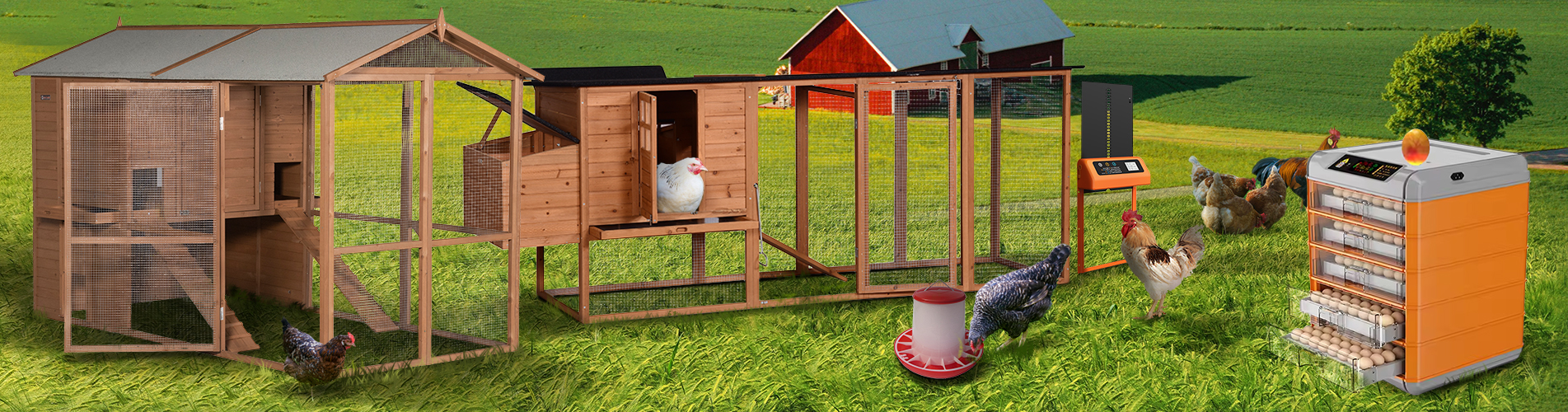
For distributors targeting the rapidly expanding backyard farming market, prioritizing wooden enclosures over plastic or bare metal is a strategic imperative. Premium wooden coops constructed from solid fir wood provide unmatched natural thermal insulation, preventing lethal winter drafts and summer heat stress. Furthermore, wood's natural breathability eliminates the internal condensation (frostbite risk) commonly found in synthetic coops. By sourcing structures treated with non-toxic, water-based sealants and capped with heavy-duty asphalt roofs, brands can offer superior flock health, egg production stability, and exceptional backyard aesthetics.
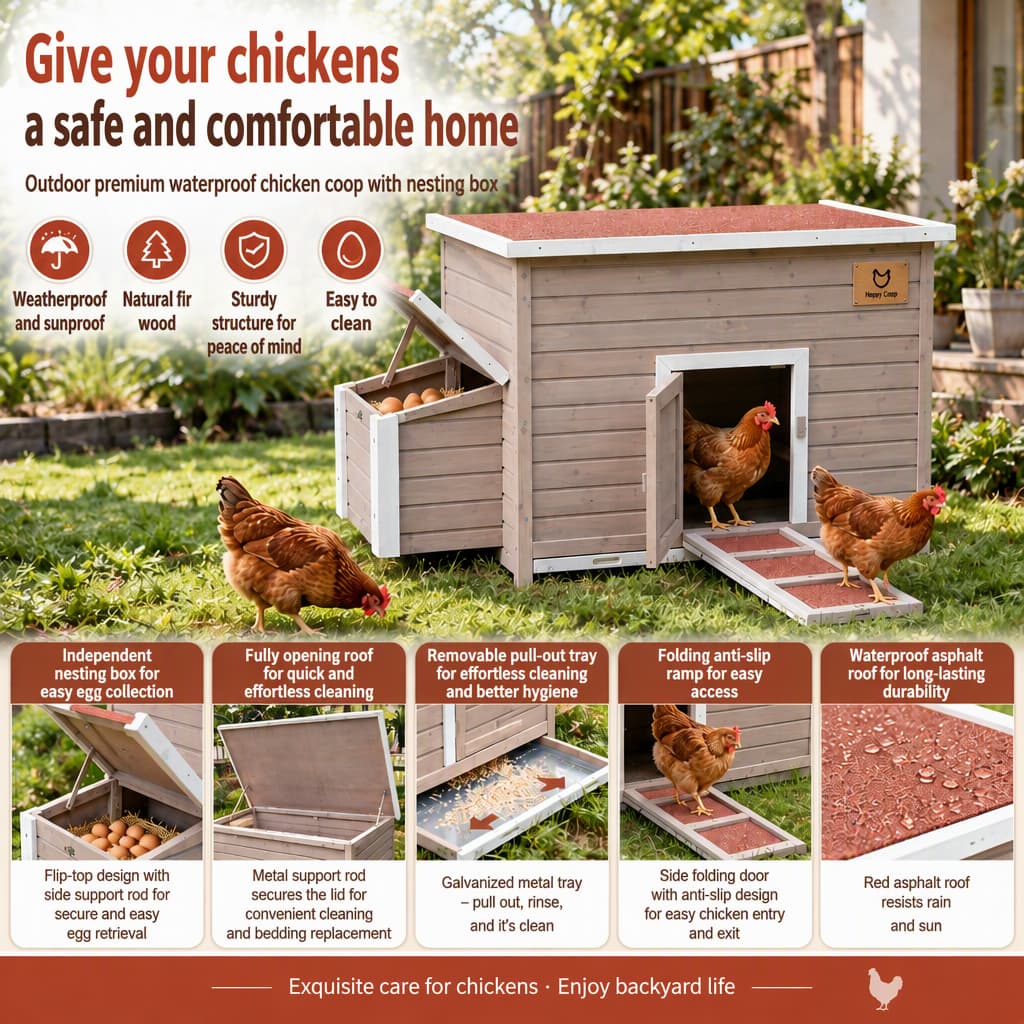
The primary biological goal of any poultry enclosure is to minimize the caloric energy a hen spends on thermoregulation. When a hen is cold, she stops laying eggs and burns her feed entirely to stay alive. Solid wood, particularly high-grade fir or cedar, is an exceptional natural insulator. The microscopic cellular structure of the timber traps air, drastically slowing the transfer of thermal energy through the coop walls.
In stark contrast, metal is a thermal conductor, instantly transferring freezing temperatures indoors, while plastic becomes brittle in sub-zero weather. During winter, a large wooden outdoor chicken coop acts as a thermal battery, retaining the collective body heat generated by the roosting flock. Equally important is the issue of condensation. A flock of six hens generates a massive amount of moisture overnight through respiration and droppings. In a sealed plastic or metal coop, this moisture condenses on the cold ceiling and drips back onto the birds, leading directly to pneumonia and comb frostbite. Natural wood absorbs and breathes this moisture out, maintaining a dry, healthy micro-climate.
The demographic driving the backyard poultry boom is hyper-focused on organic, chemical-free living. They are raising chickens specifically to avoid factory-farmed eggs. Therefore, the chemical composition of the coop itself is a major purchasing factor. Chickens are highly curious foragers; they will peck at the walls, the ramp, and the nesting box edges continuously.
If a distributor imports coops treated with heavy industrial chemical solvents or lead-based paints, those toxins will be ingested by the birds and deposited directly into the yolks of the eggs. To capture the premium market segment, procurement teams must strictly source an eco friendly backyard poultry house. These structures are manufactured using kiln-dried fir wood coated with 100% water-based, animal-safe sealants. This guarantees zero toxic off-gassing and ensures the enclosure is safe for organic egg production right out of the box.
| Enclosure Material | Thermal Insulation | Condensation Risk | Backyard Aesthetic Integration |
|---|---|---|---|
| Solid Fir Wood (Treated) | Excellent (Natural cellular barrier) | Very Low (Breathable material) | High (Blends seamlessly with gardens) |
| Molded Plastic | Poor (Requires artificial heating) | Extremely High (Causes frostbite) | Low (Looks industrial/artificial) |
| Thin Metal / Aluminum | Zero (Thermal conductor) | High (Sweats internally) | Moderate (Farm utility appearance) |
A major garden center retailer in the Pacific Northwest was carrying a line of cheap, thin-paneled pine coops with flat wooden roofs. During the heavy autumn rains, the roofs quickly waterlogged and warped, allowing freezing water to leak directly into the nesting boxes. The damp, cold environment caused the hens to stop laying eggs entirely by mid-November, leading to a wave of angry customer reviews and product returns.
The retailer's sourcing department overhauled their catalog, switching to a high-end weatherproof solid fir wood coop engineered with an angled, heavy-duty asphalt shingle roof. This architectural upgrade created a 100% waterproof barrier over the sensitive nesting area. Furthermore, the elevated design raised the main living quarters 18 inches off the wet ground, preventing soil rot and providing a dry under-coop foraging area for the flock. The following winter, the retailer reported a 98% positive satisfaction rate, with customers specifically noting that their hens maintained steady egg production through the freezing months due to the dry, insulated environment.
Does fir wood require ongoing maintenance by the consumer?
While factory-applied water-based sealants provide excellent initial protection, wood is a natural material exposed to UV rays and rain. To maximize longevity, consumers should be advised to apply a fresh coat of clear, non-toxic, water-based wood sealant every 12 to 18 months. This simple maintenance prevents the wood from drying out and prevents micro-cracks from forming.
How do wooden coops protect against digging predators like foxes?
The wood itself provides a solid barrier against climbing predators. For digging threats, premium wooden coops integrate heavy-duty galvanized wire mesh seamlessly into the timber framing of the attached run. B2B buyers should ensure the coop design allows the consumer to easily attach an anti-dig "hardware cloth apron" to the bottom wooden perimeter rails, which is buried outward into the soil to stop tunneling predators.
Is assembly difficult for the end consumer?
No. Modern factory engineering utilizes modular, pre-fabricated wooden panels. The doors, wire mesh, and asphalt roof sections are all pre-assembled at the factory. The end consumer simply uses a standard electric screwdriver to connect the main panels together via pre-drilled holes, reducing assembly time to under 45 minutes for a standard 4-6 bird coop.


 Réseau IPv6 pris en charge